Why Study Abroad?
Studying abroad not only allows you to explore another country and culture firsthand, it also allows you the chance to continue your education journey by earning course credits, participating in an internship, and/or serving in the local community.
But don’t take our word for it…
Many students who have studied abroad have shared their experiences with us and we’d like to share them with you. Find out what your fellow greyhounds are saying about study abroad: Read Study Abroad Stories.
“I can confidently say [studying abroad] was one of the best decisions I’ve ever made.”
– Kivonte Houston ‘25 ‘27
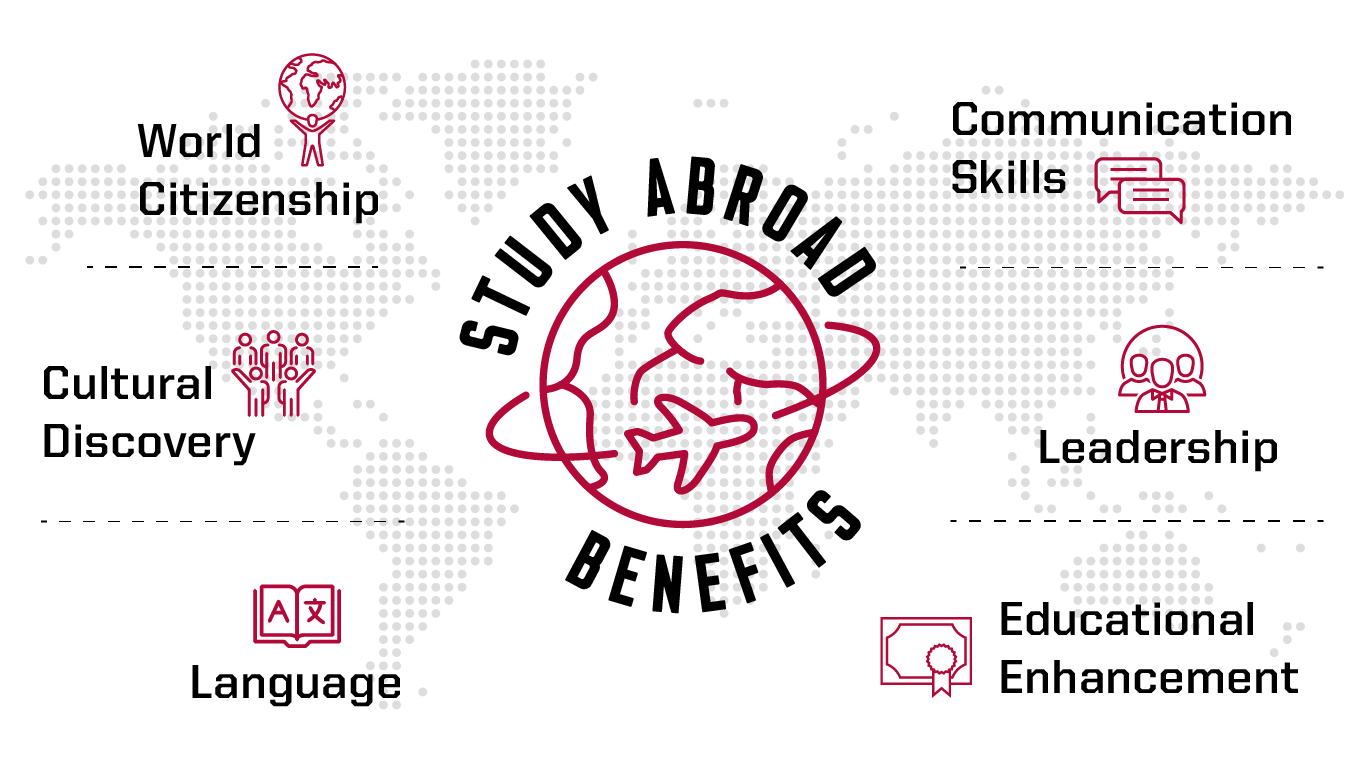
A well-planned study abroad experience sets you on the path to grow in all these areas:
- World Citizenship: Expand your worldview, gain travel experience, develop cross-cultural skills, and make friends from around the world.
- Cultural Discovery: Experience another culture first hand, learn new things about yourself, and explore a different perspective on life.
- Language: Learn another language and dialect while being immersed in its culture
- Communication Skills: Strengthen your communication, team building, and adapting skills
- Leadership: Boost our confidence levels and become a community leader
- Educational Enhancement: Improve your GPA, nurture your motivation, and increase your chances of being admitted to a graduate program of your choice.
Gain an International Professional Edge
The career advantages of studying abroad are clear, giving you a distinct lead in the competitive job market. The skills you gain in leadership, cross-cultural communication, and adaptability are highly valued by employers. To translate these transformative experiences into a standout resume and compelling interview performance, partner with the UIndy's Professional Edge Center. Their team of experts can help you articulate the unique value of your international journey, ensuring you effectively showcase your global competencies to future employers and leverage your time abroad for long-term career success.
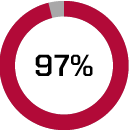
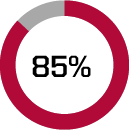
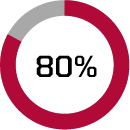
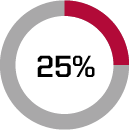
*Data retrieved from: Amerispan.Frontiers Journal.
