Graduate Certificate in Applied Spanish Language and Culture
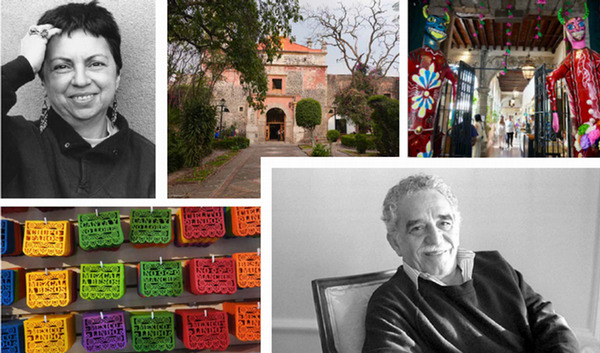
The Certificate in Applied Spanish Language and Culture at the University of Indianapolis (UIndy) offers an interdisciplinary approach to understanding the Spanish language and culture, exposing students to the unique perspectives, cultures, and products found throughout the Spanish-speaking world. The courses are structured around examining voices and perspectives that question the role of social and academic structures and how they influence our understanding of culture, literature, and language. The certificate seeks to provide secondary education teachers with the tools to be effective dual-credit Spanish instructors.
Format
This is an online certificate consisting of six 7-week courses. The Global Languages and Cross-cultural Studies department offers two courses in the first semester, two in the second, and two during the summer. All classes are taught in Spanish.
Tuition
Program Requirements & Course Descriptions
This 18-hour certificate includes 6 courses (3 credits).
Required courses
This course offers an overview of the principles of modern second language acquisition (SLA) research, specifically applied to the learning of Spanish. The main objective of this course is to provide students with the background knowledge to understand the psycholinguistic principles at work in world language learning, how these principles appear in the acquisition process, and the acquisition of different components of language.
This course offers an overview of the social and linguistic determinants of grammatical structure, applied to Spanish. The main objective of this course is to provide students with the knowledge to be sociolinguistically responsible users and teachers of Spanish. Instead of an uncritical review of grammatical rules of “Standard” Spanish, this course analyzes the range of variation found in commonly taught grammatical structures, considers the social and linguistic reasons that account for this variability, and explores the implications of this variability for language teaching and use.
This course overviews Latin American Literature through varied texts (short stories, poetry, and novels) from the 20th and the 21st centuries. Grad students will discuss the significant themes and authors in the region. Latin America is a diverse and vast territory, full of contrast, racially diverse, and culturally heterogeneous. We address in this course parts of that complexity by reading writers from distant parts of the region, from different backgrounds and cultures.
This course offers the opportunity to study artifacts taken from literary works, film, painting, theatre, and music, among others, produced in different Spanish-speaking countries through the lens of cultural studies. Students will acquire the necessary skills and critical vocabulary to convey the analyses of multiple types of cultural production from different historical periods and associated with various socio-political contexts. The course’s main objective is to expand students’ knowledge of the cultural expressions from Latin America and Spain via the analysis of visual, oral, and written texts from different sources while acknowledging the diverse platforms in the field of cultural studies they can use to accomplish such study.
Admission Requirements
To apply to the Graduate Certificate in Applied Spanish Language and Culture program, students must submit:
- A UIndy graduate application
- $30 application fee for graduate programs
- Official transcripts from each university or college attended
- A 1 to 2-page personal statement in Spanish that outlines your reasons for applying to the program